
BIS Certification for CPVC Pipes for Automatic Sprinkler Fire Extinguishing System IS 16088
Fire safety systems are critical
components of modern buildings, factories, warehouses, and commercial
complexes. Among these, automatic sprinkler fire extinguishing systems play a
vital role in controlling fires before they escalate. One key element in these
systems is the use of CPVC (Chlorinated Polyvinyl Chloride) pipes designed to
handle high temperatures and pressure during fire emergencies.
To ensure product reliability and safety, manufacturers are required to obtain the BIS certification for CPVC Pipes for Automatic Sprinkler Fire Extinguishing System as per Indian Standard IS 16088. This certification guarantees that only high-quality, tested, and compliant pipes are used in life-saving applications.
What Is BIS Certification
for CPVC Pipes for Automatic Sprinkler Fire Extinguishing System?
The Bureau of Indian Standards (BIS)
is the national body responsible for setting and regulating product standards
across industries in India. The BIS certification for CPVC Pipes for Automatic
Sprinkler Fire Extinguishing System ensures that these pipes:
● Meet the performance and safety
requirements specified in IS 16088
● They are manufactured under a
robust quality management system
● Can safely carry water or
fire-suppressant agents under fire conditions without failure
Manufacturers that successfully meet these requirements are granted the ISI mark certification, authorizing them to display the trusted ISI mark on their products.
Indian Standard for CPVC
Pipes for Automatic Sprinkler Fire Extinguishing System (IS 16088)
The Indian Standard IS 16088 outlines
the requirements for CPVC pipes specifically intended for use in automatic
sprinkler fire extinguishing systems. This standard covers:
Compliance with IS 16088 is essential to ensure these pipes will perform reliably when lives and property are at stake.
Why ISI Certification for
CPVC Pipes for Automatic Sprinkler Fire Extinguishing System Matters
The ISI certification for CPVC Pipes
for Automatic Sprinkler Fire Extinguishing System offers numerous benefits,
both for manufacturers and end-users:
How to Obtain BIS
Certification for CPVC Pipes for Automatic Sprinkler Fire Extinguishing System
Obtaining BIS certification for CPVC
Pipes for Automatic Sprinkler Fire Extinguishing systems involves the following
steps:
- Application
Submission: Submit the completed application
form with necessary documentation to BIS.
- Document Review: BIS evaluates the submitted documents to verify accuracy and
completeness.
- Factory Inspection: BIS officials conduct on-site inspections to assess
manufacturing processes and quality control systems.
- Sample Testing: Product samples are collected and tested at BIS-approved
laboratories to verify compliance with Indian standards.
- Certification Grant: Upon successful inspection and testing, the BIS issues the certification, allowing the use of the ISI Mark.

Documents Required for BIS Certification
To apply for ISI Certification for CPVC Pipes for Automatic Sprinkler Fire Extinguishing systems, manufacturers must provide the following documents:
● Completed application form
● Detailed manufacturing process
information
● Quality control plans and test
reports
● Factory layout and equipment
details
● Product specifications and
technical details
● Business registration proof
● Declaration of conformity to
Indian standards
Additional documentation may be required based on product specifications and environmental regulations.
BIS ISI Mark Certification Costing And Timeline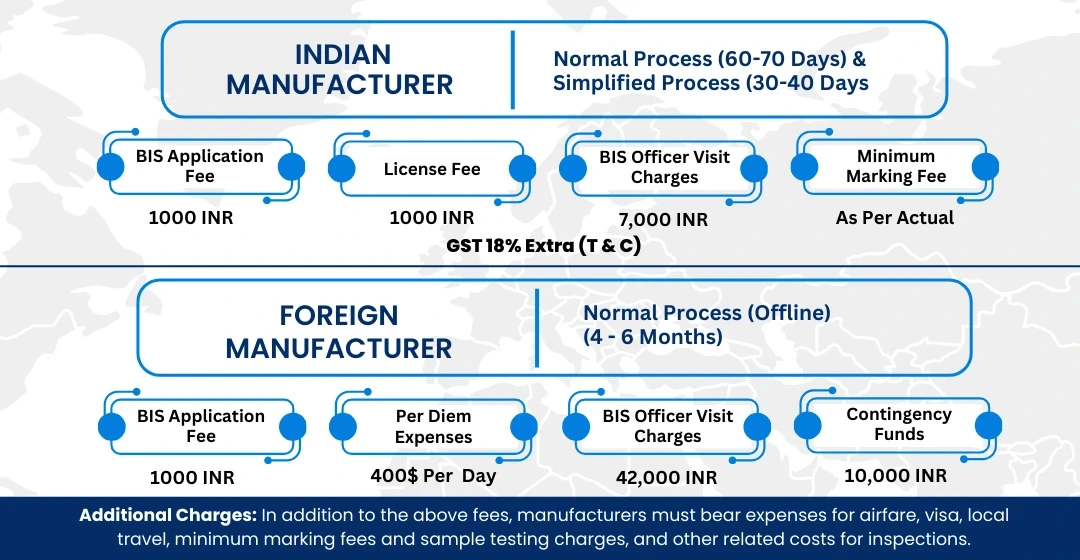
To Know The Process in Detail, Please Visit:
Under BIS Registration Products ISI and CRS
Final Thoughts
The BIS certification for CPVC Pipes
for Automatic Sprinkler Fire Extinguishing systems under Indian Standard IS
16088 is a crucial requirement that ensures the pipes used in fire protection
systems meet the highest safety and quality benchmarks. With the ISI
certification for CPVC Pipes for Automatic Sprinkler Fire Extinguishing
systems, manufacturers not only comply with national regulations but also build
trust with contractors, builders, and end-users.
In critical fire safety applications,
cutting corners is not an option — certified products save lives, protect
assets, and uphold public confidence.