
BIS Certification for Electronic Weighing Systems IS 9281 (Part 3):1981
Electronic weighing systems have
become integral to modern life, offering highly accurate and dependable
measurements across a broad range of sectors. From retail counters and
laboratories to logistics hubs and manufacturing floors, these digital scales
are essential wherever precise weight measurement is critical. Unlike traditional
mechanical scales, electronic weighing systems utilize advanced load cells and
digital sensors to provide fast, accurate, and repeatable readings.
In India, the performance and safety of these devices are regulated by the Bureau of Indian Standards (BIS). One of the key standards governing their design and functionality is IS 9281 (Part 3):1981, which lays out the technical requirements and testing criteria for electronic weighing instruments and systems.
Understanding IS 9281
(Part 3):1981
IS 9281 (Part 3):1981 is part of a
broader series of Indian Standards related to non-automatic weighing
instruments. This particular part focuses on electronic weighing systems, establishing detailed parameters to
ensure that such systems deliver accurate, consistent, and safe performance
under varying conditions.
The standard emphasizes key
performance aspects such as:
It applies to weighing instruments used across a wide range of capacities — from small laboratory balances to large platform or industrial scales.
Importance of BIS
Certification for Electronic Weighing Systems
In India, BIS certification serves as
a mark of quality, compliance, and consumer assurance. For electronic weighing
system manufacturers, obtaining BIS certification as per IS 9281 (Part 3):1981
is not just about meeting regulatory norms—it builds market credibility and
opens doors to government tenders, exports, and mass retail channels.
With the increasing use of digital
weighing systems in trade and commerce, accuracy and trustworthiness are
critical. The BIS certification ensures that products:
Moreover, in many states, government bodies and institutional buyers only procure BIS-certified weighing systems, making certification an essential business requirement.
What the Standard Covers
The IS 9281 (Part 3):1981 standard
encompasses technical, operational, and
safety requirements. It ensures that electronic weighing systems perform
consistently across their intended operating range and environmental
conditions. The standard includes detailed guidelines for:
Key Tests Conducted for
BIS Certification
As part of the BIS certification
process, electronic weighing systems are subjected to a range of rigorous
laboratory tests, conducted in NABL-accredited or BIS-recognized testing
facilities. The aim is to evaluate both functional performance and
environmental reliability. Major tests include:
These tests help verify that the instrument not only delivers accurate readings at the time of manufacture but continues to perform reliably in real-world conditions over time.
Certification Process

The BIS certification process
typically involves:
- Application Submission: Manufacturers apply through the BIS online portal, submitting technical specifications and manufacturing details.
- Factory Audit: BIS officials inspect the production site to evaluate quality control measures and assess compliance with IS 9281 (Part 3):1981.
- Sample Testing: Random product samples are selected and tested for compliance at BIS-approved laboratories.
- License Granting: Upon successful completion of testing and inspection, the manufacturer is awarded the ISI mark license.
- Surveillance Audits: Regular post-certification inspections ensure continued compliance.
To Know The Process in Detail, Please Visit:
Under BIS Registration Products ISI and CRS
Documents Required for BIS Certification
To apply for BIS certification, manufacturers need to submit the following documents:
● Application form
● Manufacturing process details
● Quality control plan
● Test reports from BIS-approved laboratories
● Factory layout and equipment details
● Proof of business registration
● Product specifications and technical details
● Declaration of conformity to Indian standards
Additionally, manufacturers may be required to provide proof of compliance with environmental and safety regulations, depending on the specific type of product being certified.
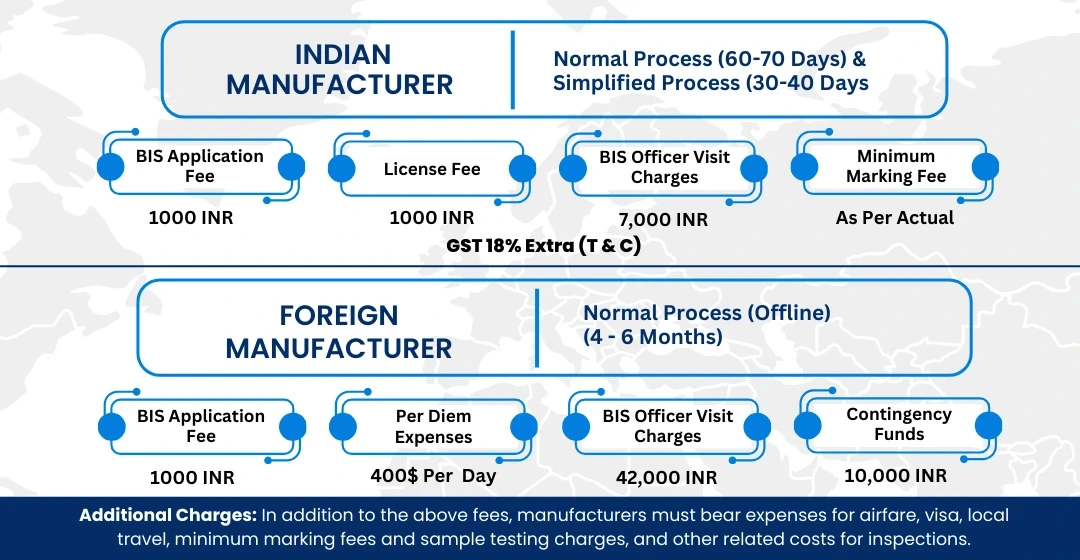
BIS ISI Mark Certification Costing And Timeline
Benefits of BIS Certification
How EVTL India Can Assist
Securing BIS certification can be
complex, especially with technical testing and documentation involved. EVTL India offers end-to-end consulting services to simplify the process for
manufacturers, including:
With years of experience in regulatory consulting, EVTL India ensures fast, smooth, and cost-effective BIS certification.
Conclusion
Electronic weighing systems are
essential across various industries where accurate measurement is crucial. The
BIS certification under IS 9281 (Part 3): 1981 serves as a vital benchmark to
ensure the quality, accuracy, and
durability of these systems. For manufacturers and suppliers, obtaining this
certification is not just a legal obligation—it’s a testament to quality and
professionalism.